In industrial piping systems, secure and leak-proof connections are critical for safety, efficiency, and long-term performance. One of the most essential components used to achieve this is the flange. Whether you are new to piping systems or looking to strengthen your foundational knowledge, understanding flange types and their applications is key to selecting the right solution for any project.
This guide explains what flanges are, why they are used, the most common flange types, and where each type is typically applied.
What Is a Flange?
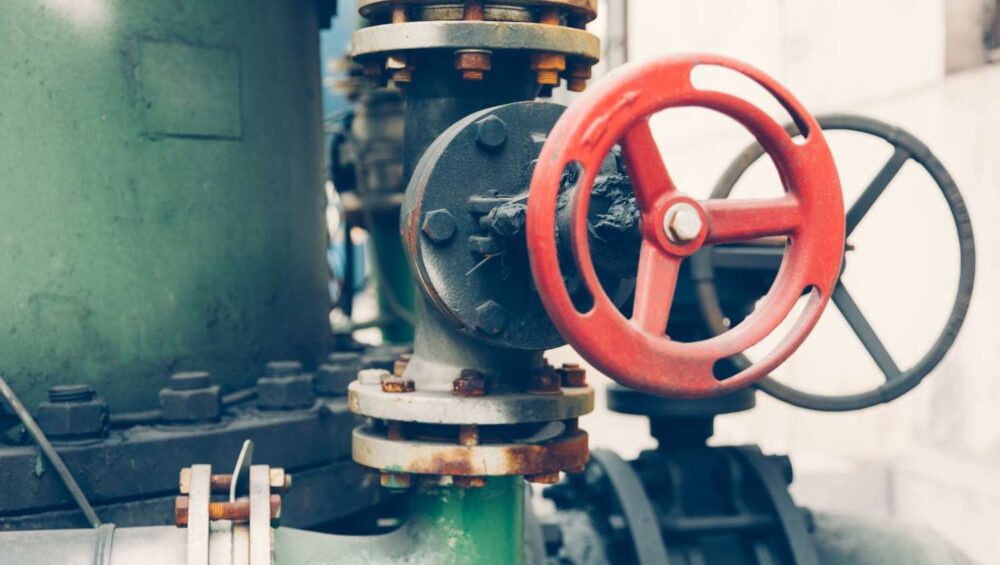
A flange is a mechanical component used to connect pipes, valves, pumps, and other equipment in a piping system. It is usually a flat or raised circular disc with evenly spaced bolt holes that allow it to be bolted to another flange using a gasket in between.
Flanges are widely used because they:
- Create strong, leak-resistant joints
- Allow easy assembly and disassembly
- Simplify maintenance and inspection
- Reduce the need for permanent welding
In industries such as oil & gas, water treatment, petrochemicals, and construction, pipe flanges play a vital role in maintaining system integrity.
Why Are Flanges Used in Piping Systems?
Unlike welded joints, flanged connections can be dismantled without damaging the pipeline. This makes them ideal for systems that require frequent inspection, cleaning, or modification. Different flange types are designed to handle varying pressure levels, temperatures, and operating environments.
Choosing the correct flange depends on:
- Pipe size and material
- Operating pressure and temperature
- Type of fluid or gas
- Installation and maintenance needs
Choosing the right flange is essential for ensuring system safety and long-term performance. When sourcing industrial-grade Flanges factors such as pressure rating, material quality, compliance with standards, and application suitability should always be carefully evaluated.
Common Types of Flanges and Their Applications
Below are the most widely used flange types found in industrial piping systems.
1. Weld Neck Flange
The weld neck flange is easily recognized by its long tapered hub that is butt-welded to the pipe. This design provides excellent stress distribution and strength.
Applications:
- High-pressure and high-temperature systems
- Oil & gas pipelines
- Chemical and power plants
Because of its durability, it is one of the most reliable industrial flanges available.
2. Slip On Flange
A slip on flange slides over the pipe and is welded on both the inside and outside. It is easier to align and install compared to weld neck flanges.
Applications:
- Low to medium pressure systems
- Water pipelines
- Fire protection systems
This type is popular due to its lower cost and simple installation.
3. Socket Weld Flange
The socket weld flange has a recessed area where the pipe is inserted before welding. It provides strong support and smooth fluid flow.
Applications:
- Small-diameter piping
- High-pressure systems with small pipe sizes
- Hydraulic and steam lines
Socket weld flanges are commonly used where leakage prevention is critical.
4. Threaded Flange
A threaded flange connects to a pipe using internal threads instead of welding. This makes installation fast and convenient.
Applications:
- Low-pressure systems
- Non-critical services
- Areas where welding is not allowed
They are often used for temporary or easily replaceable piping connections.
5. Lap Joint Flange
The lap joint flange works with a stub end, allowing the flange to rotate freely around the pipe. This simplifies bolt alignment.
Applications:
- Systems requiring frequent dismantling
- Pipelines with expensive materials
- Low-pressure, non-critical services
It is a cost-effective solution when flexibility is needed.
6. Blind Flange
A blind flange is a solid disc with no center opening. It is used to close the end of a pipeline or pressure vessel.
Applications:
- Pipeline isolation
- Pressure testing
- Future system expansion
Blind flanges are known for their strength and ability to handle high pressure.
Flange Face Types Explained
Flange faces are the contact surfaces where the gasket sits. Choosing the right flange face types ensures proper sealing.
Raised Face (RF)
The most common face type, suitable for moderate pressure applications.
Flat Face (FF)
Provides full contact between flanges and is often used with cast iron equipment.
Ring Type Joint (RTJ)
Designed for very high pressure and temperature systems, commonly used in oil & gas industries.
Flange Applications by Industry
In industrial piping systems, flanges are often used alongside valves and control components to create secure, serviceable connections. Selecting compatible Flanges is especially important when integrating equipment such as Flange Type Ball Valves and Cast Iron Gate & Globe Valves – Flange Type, as proper alignment, pressure rating, and face type directly impact sealing performance and operational reliability.
Understanding flange applications helps beginners match the right flange to the job:
- Oil & Gas: High-pressure pipelines and refineries rely on strong industrial flanges like weld neck and RTJ types
- Chemical Processing: Corrosion-resistant flanges used in reactors and transfer lines
- Water & Wastewater: Slip on and blind flanges for easy installation and isolation
- Power Generation: Steam and boiler systems require durable flange connections
- HVAC & Fire Systems: Threaded and slip on flanges for fast assembly
- Construction & Infrastructure: Flanges used in plumbing and structural piping
Flange Materials and Standards
Flanges are manufactured from various materials such as carbon steel, stainless steel, and alloy steel, depending on system requirements. To ensure compatibility and safety, they follow international flange standards.
The most common standards include:
- ANSI flanges (ASME B16.5 / B16.47)
- DIN and EN standards
- JIS standards
These standards define dimensions, pressure ratings, and material specifications.
AI Overview
Learn the basics of flange types, their uses, standards, and applications in piping systems. A beginner-friendly guide to choosing the right flange for industrial and commercial needs.
FAQs
What are the different types of flange?
Common flange types include weld neck, slip on, socket weld, threaded, lap joint, and blind flanges, each designed for specific pressure, temperature, and installation needs.
How to choose flange type?
Flange selection depends on pipe size, pressure rating, temperature, fluid type, and maintenance requirements to ensure safe and leak-free performance.
What is RF and RTJ flange?
RF (Raised Face) flanges are used for general industrial sealing, while RTJ (Ring Type Joint) flanges are designed for high-pressure, high-temperature applications.
What is a type 11 flange?
Type 11 flange refers to a weld neck flange under EN standards, commonly used in high-pressure and high-temperature piping systems.
Conclusion
Understanding flange types and their applications is essential for building safe, efficient, and long-lasting piping systems. By selecting the right flange based on pressure, environment, and service requirements, you can improve performance while reducing maintenance risks.
If you’re sourcing quality flanges and industrial piping solutions, Luluat Al Noor Building Materials Trading LLC is your trusted partner for reliable products and expert support across diverse industrial needs.
Serving the UAE and global markets—connect with our team for reliable industrial solutions.
Explore More Expert Insights
Discover guides on industrial tools, safety equipment, and building materials to power your next project.
- Common Coupling Failures and How to Prevent Them: Key causes of coupling issues and how to avoid system failures.
- Silicone vs. Rubber: Key Differences and Applications: Understand material differences to choose the right industrial solution.
- Top Hydraulic Hose and Fitting Brands You Must Know: Trusted brands known for hydraulic performance and reliability.
- Top 10 Mining and Drilling Tools and Brands Miner Should Have: Essential tools and brands for efficient mining and drilling operations.
- Top 10 Fire Fighting Equipment Brands You Must Know: Leading brands that meet fire safety and protection requirements.