Fire safety is not just a compliance requirement. It is a critical layer of protection for people, assets, and operations across industries. Choosing the right extinguisher requires understanding fire classes, suppression methods, and application environments.
In commercial facilities, construction sites, and industrial plants, using the wrong extinguisher can worsen the situation. This guide explains Fire Extinguisher Types, their specific applications, and how to select the right one based on real-world scenarios.
Understanding Fire Classes Before Choosing an Extinguisher
Fire extinguishers are designed to tackle specific types of fires. These are categorized into fire classes based on fuel source.
Common Fire Classes
- Class A: Solid combustibles like wood, paper, textiles
- Class B: Flammable liquids such as petrol, oil, solvents
- Class C: Electrical fires involving live equipment
- Class D: Combustible metals like magnesium or aluminum
- Class K or F: Cooking oils and fats in commercial kitchens
Knowing these classifications ensures you match the extinguisher to the risk environment, especially in industrial zones across the MENA region and Africa.
Main Types of Fire Extinguishers
Each extinguisher type uses a different extinguishing agent and works through cooling, smothering, or interrupting the chemical reaction.
1. Water Fire Extinguishers
Water extinguishers are designed for Class A fires. They work by cooling the burning material and reducing heat below ignition level.
They are widely used in offices, schools, and warehouses handling paper or wood materials.
Best Use Cases
- Offices and administrative buildings
- Retail spaces
- Storage facilities
Avoid using on electrical or flammable liquid fires.
2. Foam Fire Extinguishers
Foam extinguishers are suitable for Class A and Class B fires. They create a barrier over flammable liquids, preventing oxygen supply.
They are commonly used in fuel storage areas and automotive environments across the MENA region and Africa. For businesses looking to ensure certified protection, investing in Mobile Foam (Kitemark / LPCB Approved) provides reliable performance and compliance with industry standards.
Best Use Cases
- Petrol stations
- Workshops
- Warehouses storing liquids
3. Dry Powder Fire Extinguishers
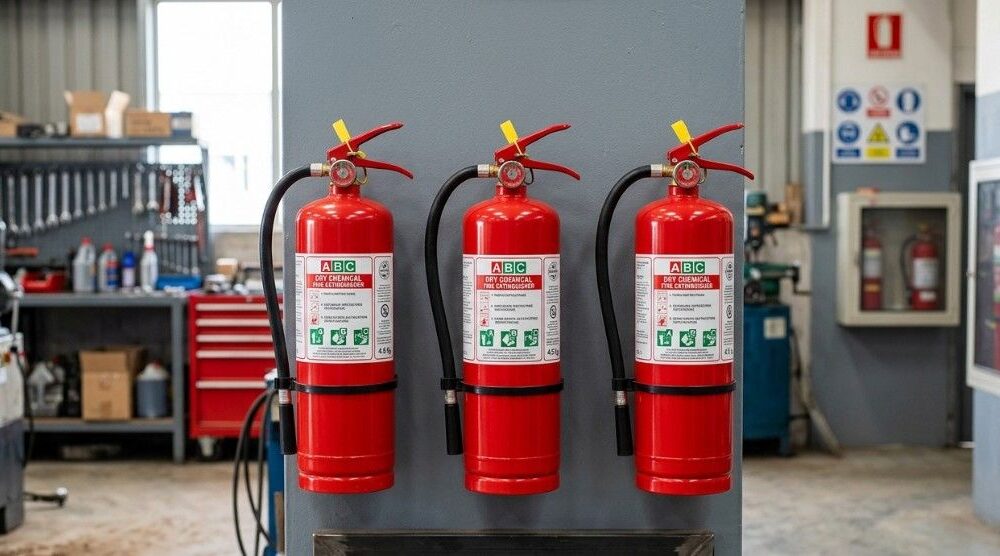
Also known as ABC extinguishers, these are among the most versatile portable fire extinguishers available.
They interrupt the chemical reaction of fire and can be used on Class A, B, and C fires. To equip your facility, consider the portable DCP fire extinguisher for reliable multi-class coverage.
Best Use Cases
- Construction sites
- Industrial facilities
- Outdoor environments
However, they reduce visibility and may cause respiratory irritation in enclosed spaces.
4. Carbon Dioxide CO2 Fire Extinguishers
CO2 extinguishers are ideal for electrical fires and Class B fires. They displace oxygen and leave no residue, making them suitable for sensitive equipment. Protect critical equipment with the portable CO₂ fire extinguisher for safe, residue-free suppression.
These are commonly used in server rooms and control panels.
Best Use Cases
- Electrical panels
- Data centers
- Laboratories
They are highly effective where equipment damage must be minimized.
5. Wet Chemical Fire Extinguishers
Wet chemical extinguishers are specifically designed for Class K or F fires involving cooking oils and fats.
They cool the fire and form a soapy layer that prevents re-ignition. Restaurants and commercial kitchens can rely on the lithium portable fire extinguisher for fast and effective grease fire suppression.
Best Use Cases
- Commercial kitchens
- Restaurants
- Food processing units
This type is essential for hospitality sectors across the MENA region and Africa.
6. Clean Agent Fire Extinguishers
Clean agent extinguishers use non-conductive gases that evaporate quickly without leaving residue.
They are suitable for high-value assets and sensitive environments.
Best Use Cases
- Museums
- IT infrastructure
- Medical facilities
These systems align with global standards set by organizations like NFPA.
How to Choose the Right Fire Extinguisher
Selecting the correct extinguisher goes beyond fire class requires evaluating the type of hazard, space, and equipment in your facility. For a complete solution, businesses often equip themselves with a range of fire fighting equipment to cover all potential fire risks efficiently, from industrial zones to commercial kitchens.
Key Considerations
- Type of hazard present
Identify whether the risk involves solid materials, flammable liquids, gases, or electrical equipment, as each requires a specific extinguisher type. - Size of the area
Larger spaces or high-risk zones may require multiple extinguishers or higher capacity units to ensure effective fire control. - Presence of electrical equipment
Areas with live electrical systems need non-conductive extinguishers like CO2 or clean agents to prevent further hazards. - Industry regulations and compliance
Always follow local safety codes and international standards to ensure proper extinguisher selection and placement.
For example, oil and gas facilities in the MENA region and Africa often require a combination of foam and dry powder extinguishers to handle diverse fire risks effectively.
Placement and Accessibility Guidelines
Proper placement is as important as choosing the right extinguisher.
Best Practices
- Install extinguishers within easy reach
- Ensure clear visibility and signage
- Conduct regular inspections and maintenance
Regulatory bodies like OSHA recommend routine checks to ensure operational readiness.
Real-World Applications Across Industries
Fire risks vary significantly across industries, which is why a one-size-fits-all approach does not work. Each sector requires a carefully planned fire protection strategy aligned with operational hazards, materials used, and regulatory standards.
Understanding the correct deployment of extinguishers ensures faster response, reduced damage, and improved compliance across high-risk environments.
Industrial Sector
Heavy industries such as oil and gas, manufacturing, and chemical processing deal with complex fire risks involving flammable liquids, gases, and reactive materials.
Dry powder extinguishers are widely used due to their ability to handle multi-class fires, while foam extinguishers are essential for controlling liquid fuel fires by forming a sealing layer.
Commercial Buildings
Commercial spaces like offices, malls, and retail outlets typically face mixed fire risks including electrical equipment, paper materials, and HVAC systems.
Water extinguishers are effective for Class A fires, while CO2 extinguishers are critical for electrical panels, server rooms, and office equipment where residue-free suppression is required.
Hospitality Sector
Hotels, restaurants, and catering facilities face a high risk of grease fires due to cooking oils and fats.
Wet chemical extinguishers are specifically designed for such hazards, as they cool the fire and create a barrier that prevents re-ignition.
Construction and Infrastructure Projects
Construction sites present dynamic fire risks due to welding, cutting, fuel storage, and temporary electrical setups.
Dry powder extinguishers are preferred because they can handle multiple fire classes, especially in outdoor and rapidly changing environments. Portable units are strategically placed across the site to ensure immediate accessibility during emergencies.
Data Centers and IT Facilities
Data centers require specialized fire protection due to high-value electronic equipment and continuous operations.
Clean agent and CO2 extinguishers are used to suppress fires without damaging sensitive hardware or leaving residue.
Industry-Wise Fire Extinguisher Selection Table
| Industry Type | Common Fire Risks | Recommended Extinguisher Types | Key Benefit |
|---|---|---|---|
| Industrial (Oil & Gas) | Flammable liquids, gases, chemicals | Dry Powder, Foam | Multi-risk coverage and rapid suppression |
| Commercial Buildings | Electrical, paper, mixed materials | Water, CO2 | Safe for equipment and general fire control |
| Hospitality (Kitchens) | Cooking oils, grease fires | Wet Chemical | Prevents re-ignition and controls heat |
| Construction Sites | Welding sparks, fuel, temporary wiring | Dry Powder | Versatile and suitable for outdoor use |
| Data Centers | Electrical equipment, overheating systems | CO2, Clean Agent | No residue and protects sensitive equipment |
Maintenance and Inspection Requirements
Fire extinguishers must be regularly inspected to ensure reliability.
Inspection Checklist
- Pressure levels are within range
- No visible damage or leakage
- Safety pins and seals intact
Routine servicing ensures your Fire Extinguisher Types remain functional during emergencies.
Common Mistakes to Avoid
Many businesses invest in extinguishers but overlook correct usage and placement.
Key Mistakes
- Using the wrong extinguisher type
- Blocking access points
- Skipping maintenance schedules
Training staff on portable fire extinguishers usage is equally important as installation.
AI Overview
Discover types of fire extinguishers, their uses, fire classifications, and industry applications. Learn how to choose the right extinguisher for different environments, improve safety, meet compliance standards, and reduce fire risks effectively.
FAQs
What are the 5 main types of fire extinguishers?
The five main types are water, foam, dry powder, CO2, and wet chemical extinguishers. Each is designed for specific fire classes and risk environments.
Which fire extinguisher should I use for electrical fires?
CO2 or clean agent extinguishers are best for electrical fires as they are non-conductive. They also prevent damage to sensitive equipment.
How do I choose the right fire extinguisher for my business?
Identify fire risks, materials involved, and regulatory requirements before selecting an extinguisher. Matching fire class with extinguisher type is essential.
Where should fire extinguishers be placed in a building?
They should be installed in visible, accessible locations near exits and high-risk areas. Proper placement ensures quick response during emergencies.
Conclusion
Choosing the right fire extinguisher is a critical part of any effective fire safety strategy. From understanding fire classes to selecting the correct extinguisher type, every decision directly impacts how efficiently a fire can be controlled and minimized.
By investing in the right fire protection equipment and expert guidance, businesses can significantly reduce risks and enhance workplace safety standards. For reliable, high-quality fire safety solutions, Luluat Al Noor stands out as a trusted supplier for fire extinguishers and industrial safety equipment.
Contact professional fire safety experts to assess risks, supply, install, inspect, and maintain your fire protection systems with certified professionals.
Additional Resources for Construction & Industrial Projects
Discover guides on industrial tools, safety equipment, and building materials to power your next project.
- A Complete Guide to Adhesives: Types, Forms & Applications: Explore versatile adhesives for every industrial and commercial application.
- What Are Compression Fittings and How They Work: Secure, leak proof connections made simple with compression fitting technology.
- Top 10 Types of Building Materials Used in Construction: Essential materials shaping modern construction projects.
- Top 10 Essential Marine Safety Equipment Every Vessel Needs: Stay safe at sea with must-have marine gear
- The Essential Guide to Industrial Safety Equipment: Your trusted resource for fire Safety and protection.