Industrial environments present complex hazards that demand comprehensive safety strategies. Investing in industrial safety equipment not only protects your workforce but also supports productivity, regulatory compliance, and risk management.
By integrating practical solutions with proven safety frameworks, businesses can minimize injuries and build a culture of safety excellence.
Understanding Industrial Safety Equipment
At its core, industrial safety equipment protects workers from workplace hazards such as impacts, chemical exposure, falls, and fires. Effective safety gear supports occupational safety best practices and aligns with internationally recognized standards like OSHA, ANSI, and ISO.
Key protective tools range from PPE to advanced monitoring systems that detect environmental risks before they escalate.
Top Reasons Industrial Safety Equipment Is Non-Negotiable
Workplace safety is critical in industrial environments, where hazards can cause serious injuries, operational delays, and legal consequences. Investing in industrial safety equipment not only protects employees but also strengthens organizational efficiency and credibility. Key reasons this equipment is essential include:
- Preventing injuries and fatalities
- Reducing downtime and increasing productivity
- Ensuring legal compliance (local & international safety standards)
- Protecting company reputation and financial health
Beyond compliance, a well-protected workplace builds confidence, reduces downtime, and promotes consistent productivity..
Core Components of Industrial Safety Equipment
Personal Protective Equipment (PPE)
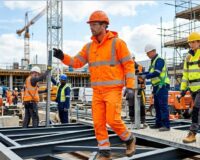
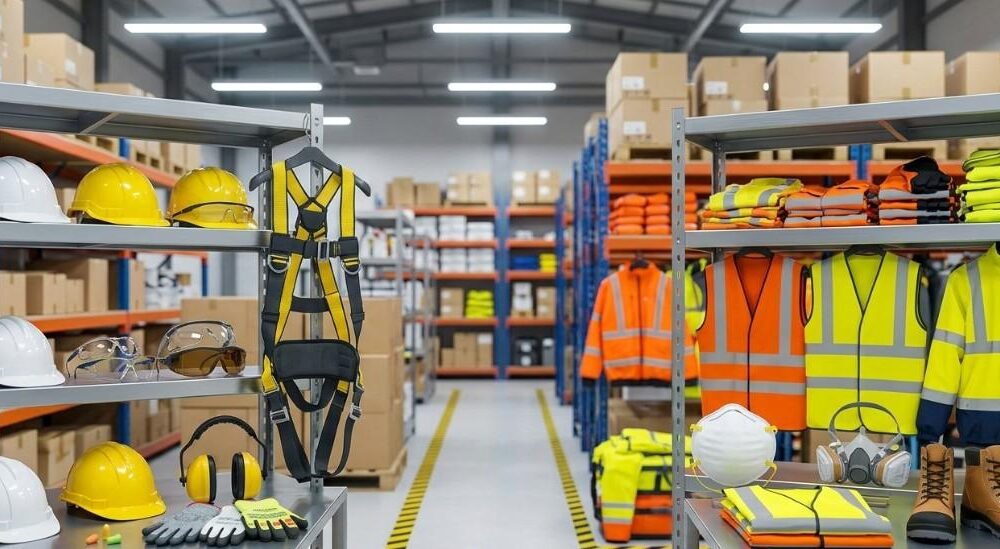
PPE is foundational equipment designed to shield workers from direct hazards when other controls are not feasible. PPE includes helmets, gloves, goggles, and protective clothing tailored to specific risks and selecting reliable body protection equipment ensures workers remain shielded from chemical, thermal, and mechanical hazards.
Selection should be based on a thorough hazard assessment to ensure appropriate coverage.
Helmets and Head Protection
Safety helmets provide essential impact resistance against falling objects and site debris, which is why project managers often standardize their crews with purpose-built impact resistant head protection options engineered for demanding environments.
These devices often include internal suspension systems that dissipate force away from the head, enhancing protection in hazardous environments, especially in construction and heavy industry.
Hand and Foot Protection
Hands and feet face frequent exposure to cuts, abrasions, chemicals, and crushing hazards. Quality safety gloves and protective footwear equipped with steel toes or chemical-resistant materials reduce the likelihood of severe injuries.
Eye, Face, and Respiratory Protection
Protective eyewear and face shields guard against flying debris, dust, and chemical splashes, making it practical to equip teams with precision-designed eye and face protection gear that enhances clarity while preventing injuries.
Tailored solutions help meet industry-specific exposure thresholds.
High Visibility and Body Protection
High-visibility garments and body shields improve worker recognition in low-light or high-traffic areas. These solutions are crucial for sites where heavy machinery and human activity intersect, reducing the risk of collisions and accidents.
Fall Protection Systems
Falls are a leading cause of serious workplace injuries. Structured systems like safety harnesses, lifelines, and anchor points protect workers operating at heights, and implementing engineered fall protection systems ensures both compliance and confidence for elevated tasks.
Fire Safety Equipment
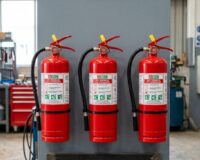
Fire hazards are prevalent in industrial settings with combustible materials or energized systems. Fire extinguishers, blankets, and alarm systems help detect and suppress fires quickly. Integration with sprinkler systems and rigorous maintenance ensures readiness under emergency conditions.
Emergency Response Kits
Preparedness extends beyond protective gear. Emergency response kits include first aid supplies, communications devices, and illumination tools essential for responding effectively to accidents or sudden incidents.
Environmental and Monitoring Tools
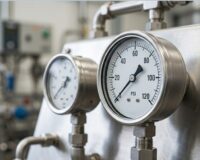
Advanced safety strategies include environmental monitoring devices that track gas leaks, air quality, and temperature fluctuations. Early detection systems provide critical alerts that can prevent catastrophic outcomes, especially in confined or hazardous spaces.
How to Choose Industrial Safety Equipment
Selecting the right industrial safety equipment is a strategic process that protects employees, ensures regulatory compliance, and enhances operational efficiency. Consider the following key factors when making your selection:
- Conduct a Thorough Workplace Risk Assessment
Identify all physical, chemical, and environmental hazards in your facility. Evaluate job-specific risks such as falls, machinery operation, chemical exposure, and extreme temperatures to match appropriate safety gear to each role. - Understand Applicable Safety Standards and Compliance
Ensure that all equipment meets OSHA, ANSI, ISO, or local regulatory standards. Verified compliance not only protects workers but also shields your organization from legal consequences and strengthens safety credibility. - Prioritize High-Quality, Certified Equipment
Choose gear that is tested and certified for performance and durability, such as professional grade helmets like the ventilated 3M G3000 hard hat, designed for airflow comfort and reliable impact protection on active job sites. - Match Equipment to Job-Specific Needs
Customize PPE and protective systems based on employee tasks and exposure levels. Workers in chemical plants, construction sites, or warehouses require tailored solutions to address hazards unique to their environment. - Factor in Ergonomics and Comfort
Comfortable, ergonomically designed equipment encourages consistent use. Features like adjustable straps, breathable fabrics, lightweight materials, and mobility-enhancing design reduce fatigue while maintaining full protection. - Implement Employee Training Programs
Provide hands-on training on proper usage, maintenance, and storage of safety equipment. Regular training sessions and safety drills ensure employees understand the importance of compliance and reduce misuse. - Schedule Regular Maintenance and Replacement
Inspect, maintain, and replace equipment according to manufacturer guidelines. Routine checks prevent failures, maintain protective performance, and ensure both reusable and single-use items are effective. - Leverage Vendor Expertise
Collaborate with suppliers offering technical advice, customization, and compliance support. Experienced vendors can recommend optimal solutions for specific industries and help integrate advanced environmental monitoring devices. - Plan for Scalability and Future Needs
Choose equipment adaptable to new hazards, processes, or workforce expansion. Modular PPE systems, adjustable fall protection, and multi-purpose respiratory devices provide long-term flexibility without frequent replacement.
Integrating Safety with Operations
Safety should be woven into everyday work practices. Align equipment policy with administrative controls, hazard communication protocols, and engineered safeguards. Utilizing a hierarchy of hazard controls places emphasis on eliminating or reducing risk before solely relying on protective equipment.
FAQs
What is the most important industrial safety equipment?
The most important gear depends on the worksite risks but PPE items like helmets and gloves are universally essential. These items protect workers from common hazards effectively.
How often should industrial safety equipment be inspected?
Perform inspections before use and schedule formal checks regularly based on manufacturer guidelines or site safety protocols.
Can PPE be reused in industrial settings?
Reusable PPE can be used if undamaged and properly cleaned but single-use items must be replaced after one use.
What standards govern industrial safety equipment?
Standards like OSHA, ANSI, and ISO define performance and compliance requirements for safety gear used in industrial environments.
Conclusion
Implementing a robust industrial safety program anchored by high-quality safety equipment mitigates risks and reinforces a culture of protection and compliance. A comprehensive approach balances proactive hazard identification, ongoing employee training, and certified safety gear that fits the unique needs of your workforce. Prioritize safety to enhance operations, protect lives, and strengthen your organizational resilience.
For expert guidance on sourcing, selecting, and deploying industrial safety equipment tailored to operational needs across the MENA region and Africa, Luluat Al Noor Building Materials Trading LLC is your trusted partner delivering certified solutions, technical expertise, and dependable support.
Contact our industrial safety consultants for product selection, risk assessment guidance, and compliance support tailored to your facility.