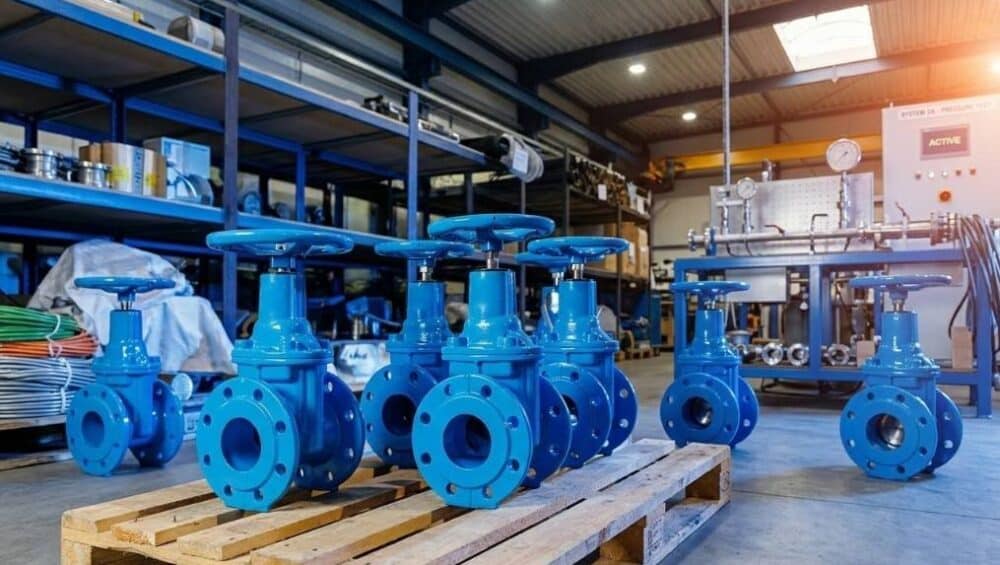
Industrial valves play a critical role in controlling the flow of liquids, gases, and chemicals across pipelines and processing systems. In the Middle East, industries such as oil and gas, petrochemicals, water treatment, and power generation rely heavily on high performance valves to maintain safety, efficiency, and environmental compliance.
This guide explains the key valve quality standards used in the Middle East, their benefits and risks, practical applications, and industry insights. Understanding these standards helps engineers, procurement teams, and project managers select the right valve for critical operations.
Understanding Valve Quality Standards in Middle East
Quality standards for valves are technical guidelines that regulate design, manufacturing, testing, and certification processes. These standards ensure that valves can withstand operational stresses and maintain leak free performance.
Most Middle Eastern projects adopt internationally recognized standards such as those from ISO, API, ASME, and British Standards. These frameworks define requirements for material traceability, sealing performance, inspection procedures, and repeatable manufacturing quality.
Because the region hosts some of the world’s largest oil and gas facilities, companies often enforce strict compliance requirements to ensure operational safety and reliability.
Major Valve Standards Used in the Middle East
API Standards
The American Petroleum Institute standards dominate the oil and gas sector in the Middle East. These standards define performance requirements for valves used in pipelines, refineries, and offshore systems.
Some widely used API valve standards include:
- API 6D for pipeline valves
- API 600 for steel gate valves
- API 602 for compact steel valves
- API 609 for butterfly valves
- API 607 and API 6FA for fire safe valve testing
These standards ensure valves can withstand hydrocarbon exposure, high pressure conditions, and extreme operating environments.
For example, refineries in the UAE often require valves with fire safe certification such as API 607 to ensure safe operation during emergency fire scenarios.
ISO Standards
The International Organization for Standardization provides globally accepted guidelines for industrial valve design and quality assurance.
Key ISO standards include:
- ISO 9001 for quality management systems
- ISO 5208 for pressure testing and leakage classification
- ISO 17292 for ball valves used in petroleum and gas industries
- ISO 15761 for compact gate, globe, and check valves
These standards regulate design specifications, inspection procedures, and dimensional requirements for valves used in high integrity process systems.
ASME and ANSI Standards
ASME and ANSI standards define pressure ratings, material requirements, and structural integrity rules for industrial valves.
One common specification is ASME B16.34, which outlines pressure temperature ratings and design criteria for valves used in critical systems. These standards are widely used in oil refineries, power plants, and petrochemical facilities across the Middle East.
Key Considerations for Middle East Projects
- Project approvals from operators like Aramco and ADNOC mandate strict documentation including NMR 601 and 602 along with third-party inspection for critical valves
- Valves must be designed for high ambient temperatures, high pressure, and corrosive media typical in Gulf region industries
- Material selection includes carbon steel, stainless steel, duplex, and super duplex based on operational requirements
- Standardization for flanges and valve face-to-face dimensions follows ASME B16.5 and ASME B16.10 to ensure compatibility with pipelines and equipment
By adhering to these core and regional standards, Middle Eastern industries can guarantee valve safety, enhance system performance, and minimize operational risks.
Key Quality Testing Procedures for Valves
To comply with international standards, valves undergo rigorous inspection and testing procedures before installation.
Typical testing includes:
- Hydrostatic pressure testing to check body strength
- Seat leakage testing to verify sealing performance
- Fire safe testing for high risk applications
- Functional stroke testing for automated valves
- Material verification and traceability documentation
These tests confirm that valves can operate safely under extreme pressure and temperature conditions common in industrial plants.
Benefits of Following Valve Quality Standards
Improved Operational Safety
Industrial valves control hazardous substances such as crude oil, natural gas, and chemicals. Adhering to international standards significantly reduces the risk of leaks, explosions, or system failures.
Longer Equipment Life
Quality certified valves are manufactured using tested materials and controlled processes. This improves durability and reduces maintenance requirements over time.
Regulatory Compliance
Many Middle Eastern projects require strict adherence to international standards before approving equipment for installation. Compliance helps companies avoid project delays and regulatory penalties.
Better System Performance
Properly certified valves ensure accurate flow control, pressure regulation, and operational reliability. This is especially important in large scale energy infrastructure.
Risks of Ignoring Valve Quality Standards
Failure to follow established valve standards can lead to serious operational and financial consequences.
Safety Hazards
Faulty valves may cause dangerous leakages or pressure failures. In industries such as oil and gas, this could lead to catastrophic accidents.
Environmental Damage
Pipeline leaks caused by poor quality valves can release hazardous fluids into the environment, damaging ecosystems and triggering regulatory penalties.
Costly Downtime
Unreliable valves can shut down entire processing systems. Repairing or replacing failed valves in critical infrastructure can result in major financial losses.
Legal and Insurance Issues
Many industrial insurers require equipment to meet certified standards. Non compliant valves may invalidate insurance coverage in case of accidents.
Practical Use Cases of Valve Standards in the Middle East
Oil and Gas Production
Upstream exploration and production facilities rely on high pressure valves that meet API standards to manage wellhead operations and pipeline transport.
Brass gate valves and Brass ball valves are commonly used for isolation and emergency shutdown systems in these environments.
Petrochemical Refineries
Refineries use specialized valves for processing hydrocarbons, hydrogen, and chemical compounds. Fire safe valves and corrosion resistant materials are required to handle extreme conditions.
Water Treatment and Desalination
Desalination plants across the Middle East depend on corrosion resistant valves made from duplex stainless steel or nickel alloys to withstand saltwater exposure.
Brass Check Valves (Vertical Type) and Brass Y Strainers are ideal for water treatment systems. Bib Cock Valves manage water distribution in treatment facilities.
Power Generation
Steam systems in power plants require valves that comply with strict pressure temperature standards such as ASME B16.34 to ensure safe operation.
Main Insights and Industry Perspectives
Harsh Operating Conditions
Middle Eastern industrial environments often include high ambient temperatures, corrosive seawater exposure, and hydrogen sulfide rich gases. These conditions require valves made from advanced materials such as duplex stainless steel, Inconel, and titanium alloys.
Increasing Focus on Testing and Certification
Modern industrial projects demand complete documentation including test certificates, pressure reports, and quality assurance plans before equipment approval.
Growing Infrastructure Investments
Countries such as the UAE and Saudi Arabia continue to invest heavily in energy, water infrastructure, and petrochemical facilities. This expansion increases demand for certified industrial valves.
Integration with Smart Monitoring Systems
New valve technologies now integrate sensors and automated control systems to monitor pressure, temperature, and performance in real time. These innovations improve predictive maintenance and system reliability.
Predictions for the Future of Valve Standards in the Middle East
The valve industry in the Middle East is expected to evolve significantly over the next decade.
First, stricter environmental regulations will likely require improved leak detection and emission control technologies. This will push manufacturers to adopt higher quality materials and more advanced sealing systems.
Second, digital monitoring systems will become more common. Smart valves equipped with sensors and remote diagnostics will help operators detect failures before they occur.
Third, regional certification programs may become more standardized across Gulf countries to simplify procurement processes and improve supply chain transparency.
AI Overview
This blog covers valve quality standards in the Middle East, including API, ISO, and ASME certifications, testing procedures, industry benefits, risks, and practical applications in oil and gas, water, and power sectors.
FAQs
What are the main valve standards used in the Middle East?
The primary standards include API for oil and gas performance, ISO for quality systems, and ASME for pressure and temperature design requirements.
Why do Middle East projects require specific valve certifications?
Major operators like Aramco and ADNOC enforce strict documentation and compliance to ensure product safety, traceability, and project approval.
What does valve certification like API or ISO ensure?
Valve certification confirms controlled manufacturing, verified testing results, material traceability, and suitability for intended industrial conditions.
How does material selection affect valve quality?
Selecting materials like carbon steel, stainless steel, duplex or super duplex ensures resistance to corrosion, high pressure, and extreme temperatures in Middle Eastern conditions.
Conclusion
Adhering to strict valve quality standards ensures safe, reliable, and efficient operations in the Middle East. Following API, ISO, and ASME standards, along with regional requirements, minimizes risks, reduces downtime, and boosts system performance.
For expert guidance on sourcing, selecting, and implementing industrial valves and related components across the Middle East and Africa, Luluat Al Noor Building Materials Trading LLC is your trusted partner providing certified solutions, technical expertise, and reliable support.
Contact our valve specialists today for tailored advice, compliance assistance, and optimized valve solutions for your facility.
Additional Resources for Construction & Industrial Projects
Discover guides on industrial tools, safety equipment, and building materials to power your next project.
- The Essential Guide to Industrial Safety Equipment: Ensuring reliability, compliance, and performance in every industrial operation
- A Complete Guide to Adhesives: Types, Forms & Applications: Explore versatile adhesives for every industrial and commercial application.
- What Are Compression Fittings and How They Work: Secure, leak proof connections made simple with compression fitting technology.
- Top 10 Types of Building Materials Used in Construction: Essential materials shaping modern construction projects.
- Types of Grease Fittings (Zerk Fittings): Complete Guide: Ensuring smooth lubrication and reliable machinery performance with Zerk fittings.