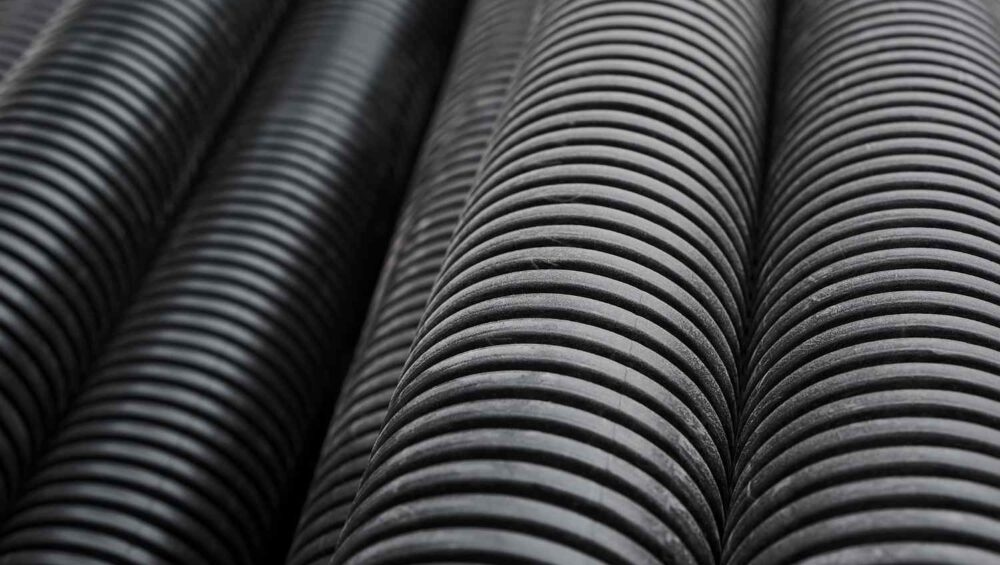
Rubber bellows are essential components in modern industrial systems, providing flexibility, protecting machinery, and ensuring system reliability. Made from EPDM, neoprene, silicone, and natural rubber, these accordion-style components absorb vibration, movement, and misalignment.
They prevent costly equipment failures and enhance operational efficiency across multiple sectors. From automotive applications to water treatment, rubber bellows are indispensable for handling extreme temperatures, chemical exposure, and continuous mechanical stress.
Understanding their types, applications, and benefits helps engineers and plant managers choose durable solutions.
What Are Rubber Bellows?
Rubber bellows are flexible connectors or expansion joints that allow controlled movement in piping systems, hydraulic cylinders, and machinery. Their accordion-style design provides axial, lateral, and angular flexibility, acting as a buffer to absorb vibrations and shocks.
High-performance materials ensure reliable operation. EPDM bellows resist UV and ozone, neoprene bellows handle chemicals and oil, and silicone bellows perform under extreme temperatures.
Selecting the right material enhances durability and operational efficiency. Sourcing certified products from a trusted supplier ensures quality and reliability. Check our range of high-quality rubber components for industrial applications.
Types of Rubber Bellows
EPDM Bellows
EPDM bellows are highly resistant to heat, ozone, and weathering. They are widely used in HVAC systems and outdoor industrial piping networks where exposure to sunlight and varying temperatures is common. EPDM offers excellent vibration damping without compromising flexibility.
Neoprene Bellows
Neoprene bellows provide chemical, oil, and grease resistance, making them ideal for automotive systems, chemical plants, and process equipment. Their resilience ensures equipment longevity even in environments with moderate mechanical stress.
Silicone Bellows
Silicone bellows excel in extreme temperatures ranging from very low to high heat. They are frequently used in high-temperature industrial machinery, laboratories, and sensitive automation systems that require precise movement without material degradation.
Natural Rubber Bellows
Natural rubber bellows are versatile, cost-effective, and suitable for general-purpose applications. They provide sufficient movement compensation in low-pressure systems while maintaining durability in standard industrial settings.
Comparison Table:
| Material | Temperature Range | Chemical Resistance | Typical Use Cases |
|---|---|---|---|
| EPDM | -40°C to 150°C | Moderate | HVAC, outdoor pipelines |
| Neoprene | -30°C to 120°C | High | Automotive, chemical plants |
| Silicone | -60°C to 250°C | Low | High-temperature machinery |
| Natural Rubber | -30°C to 70°C | Low | General industrial applications |
Industrial Applications of Rubber Bellows
Pipelines and Process Plants
In industrial piping systems, rubber bellows absorb thermal expansion, contraction, and misalignment, reducing stress on joints and preventing leaks. They are widely used in oil and gas pipelines, chemical processing, and water treatment facilities.
Automotive Industry
Rubber bellows protect steering racks, suspension components, and hydraulic pumps in vehicles. By preventing dirt, dust, and fluid ingress, they reduce wear and extend equipment life. Their flexibility and vibration damping improve driving comfort and reliability.
For applications requiring secure sealing, customers often add a silicone rubber gasket to ensure leak-free connections in temperature- and pressure-sensitive automotive systems.
HVAC Systems
In heating, ventilation, and air-conditioning applications, bellows act as vibration dampers and noise reducers. They ensure smooth operation, prevent mechanical fatigue, and contribute to energy efficiency by maintaining system integrity.
For better thermal efficiency and condensation control, upgrading your system with a rubber insulation tube helps protect pipes while reducing energy loss in HVAC and chilled water applications.
Hydraulic and Mechanical Systems
Rubber bellows are critical in hydraulic cylinders, pistons, and moving machinery parts. They absorb shocks, maintain sealing integrity, and allow precise motion under heavy loads. This ensures system reliability and operational safety in factories and automation lines.
Water and Wastewater Treatment
In water and wastewater plants, bellows absorb pressure surges, vibrations, and alignment shifts, reducing maintenance and prolonging equipment life. They are essential in pumping stations, filtration systems, and pipeline networks.
Key Benefits of Rubber Bellows
- Flexibility and Movement Compensation – Handle axial, lateral, and angular movement, reducing stress on equipment.
- Vibration and Noise Reduction – Protect machinery, reduce operational noise, and improve comfort.
- Corrosion and Chemical Resistance – Choose material suited for harsh chemical or environmental exposure.
- Protection from Contaminants – Prevents ingress of dust, dirt, and moisture into sensitive equipment.
- Cost-Effectiveness – Minimizes downtime and reduces long-term maintenance costs.
- Easy Installation and Customization – Available in tailored sizes and pressure ratings for industrial needs.
How to Choose the Right Rubber Bellow
Selecting the correct rubber expansion joint requires careful consideration of material, size, pressure rating, temperature range, and operating environment. Use the following checklist to guide your selection:
| Factor | Consideration |
|---|---|
| Material | EPDM, Neoprene, Silicone, Natural Rubber |
| Pressure | Low, Medium, High |
| Temperature | Operating range of your system |
| Application | Automotive, HVAC, Industrial, Water Treatment |
Maintenance Tips for Rubber Bellows
Proper care ensures a longer lifespan and optimal performance.
- Storage: Keep bellows in a cool, dry location, away from direct sunlight.
- Cleaning: Use mild detergents; avoid harsh chemicals that degrade material.
- Inspection: Regularly check for cracks, wear, or deformation to prevent unexpected failures.
Routine maintenance preserves vibration damping performance and reduces the risk of operational disruptions.
AI Overview
Rubber bellows enhance industrial systems by absorbing vibration, enabling flexible movement, and protecting machinery, improving reliability, durability, and efficiency across multiple applications.
FAQs
What is the use of rubber bellow?
Rubber bellows absorb vibration, movement, and misalignment in machinery and piping systems. They protect equipment and improve overall system reliability.
What are the industrial applications of rubber?
Rubber is used in pipelines, automotive systems, HVAC, hydraulic machinery, and water treatment to provide flexibility and protect components.
What are the applications of bellows?
Bellows are used to absorb thermal expansion, vibration, and pressure surges in pipelines, hydraulic systems, and industrial machinery.
What are the different types of rubber bellows?
The main types are EPDM, neoprene, silicone, and natural rubber, each selected for temperature, chemical resistance, and specific industrial uses.
Conclusion
Rubber bellows are essential for modern industrial systems, offering flexibility, vibration damping, and protection for pipelines, machinery, and hydraulic equipment. They help reduce maintenance costs, extend equipment life, and improve overall system efficiency.
If you are looking for a trusted rubber bellow supplier in UAE providing reliable industrial components, high-quality rubber bellows, and tailored engineering solutions, Luluat Al Noor Building Materials Trading LLC is your expert partner for durable products and dependable support.
Speak with our industry professionals now for expert guidance on high-quality rubber bellows.