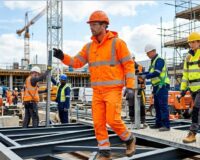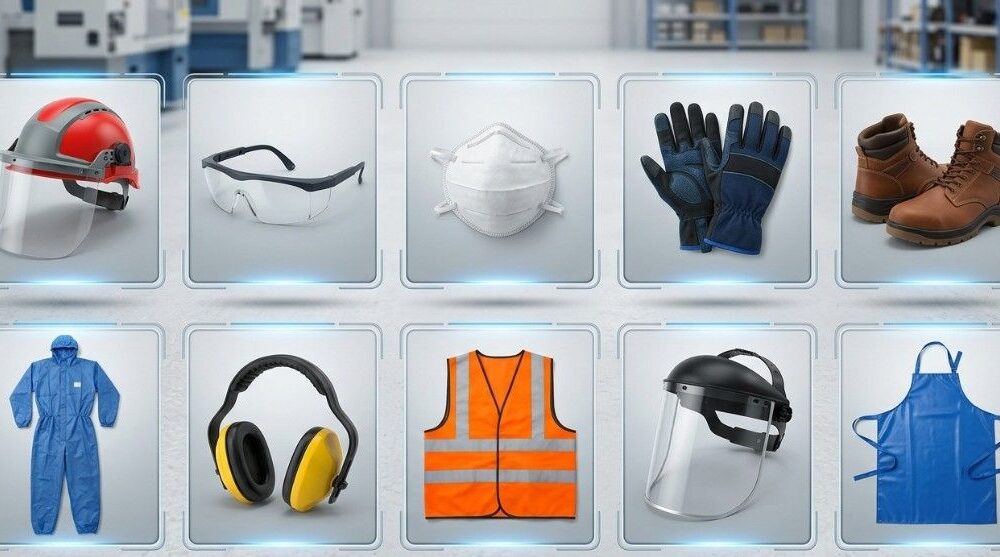
The UAE’s rapid infrastructural growth in cities like Dubai and Abu Dhabi has heightened the focus on worker safety. Construction remains a high-risk sector with hazards from falling objects, machinery, heat, and noise. Personal Protective Equipment (PPE) is essential for compliance with HSE regulations and protecting workers on site.
This article explores the ten essential PPE items that every construction worker in the UAE should have. Each section includes detailed explanations, regulatory context, practical examples, and expert insights into why these items are indispensable.
1- Head Protection: Safety Helmets
Head injuries are among the most serious and life-threatening in construction environments. Investing in high-quality head protection such as advanced safety helmets ensures maximum protection from falling debris and site hazards.
Safety helmets, also known as hard hats, protect workers from impacts caused by falling debris, tools, or structural components. In the UAE, helmets must meet international standards such as BS or EN to ensure sufficient protection under high-risk conditions.
Key Features
- High-density polyethylene (HDPE) or fiberglass shells
- Adjustable suspension systems for proper fit
- Sweatbands and ventilation for comfort in hot climates
Practical Example
During high-rise construction in Dubai, workers on scaffolding face risks from tools or materials dropped by colleagues above. Well-fitted helmets significantly reduce the severity of head trauma in such incidents. During high-risk operations, workers should rely on certified PS60 – expertline safety helmet designed for durability and compliance with international safety standards.
2- Eye and Face Protection
Eyes are highly vulnerable to dust, flying debris, chemical splashes, and intense UV exposure. Safety glasses, goggles, and face shields serve as the first line of defense for vision protection. These are especially vital during welding, grinding, cutting, or chemical handling tasks.
Types of Protection
- Safety glasses with anti-fog and UV-resistant coatings
- Full face shields for welding and heavy impact hazards
- Goggles with sealed edges to prevent dust ingress
Regulatory Insight
Eye and face protection is mandated wherever operations pose a risk of particulate matter or chemical exposure, aligning with UAE HSE standards.
3- Hearing Protection
Construction sites often expose workers to noise levels exceeding 85 decibels (dB) due to heavy machinery, drills, and generators. Prolonged exposure to such noise can lead to permanent hearing loss. Employers must provide hearing protection such as earplugs or earmuffs in areas where noise levels are hazardous.
Implementation Challenges
Ensuring consistent use of hearing protection can be difficult, especially in environments where communication is essential. Modern electronic earmuffs help maintain situational awareness while reducing harmful noise.
4- Respiratory Protection
Airborne hazards such as silica dust from concrete cutting, fumes from paints, and particulate matter from welding pose serious respiratory health risks. Respiratory protective equipment (RPE) ranges from disposable face masks to reusable respirators with replaceable filters.
Considerations
- N95 or higher-rated masks for dust suppression
- Full-face respirators for chemical vapor environments
- Maintenance and filter replacement schedules for long-term use
5- Hand Protection
Gloves protect hands from cuts, abrasions, and chemical exposure, making premium safety gloves essential for maintaining both safety and productivity across various construction tasks. The selection of gloves depends on the specific tasks and associated hazards.
Common Types
- Cut-resistant gloves for handling sharp materials
- Chemical-resistant gloves for handling solvents and adhesives
- Heat-resistant gloves for welding or hot material handling
Practical Insight
Gloves must fit correctly to maintain dexterity, especially during precision tasks such as electrical work or detailed assembly.
6- Foot Protection: Safety Boots
The risk of foot injuries arises from falling objects, sharp debris, and electrical hazards. Safety boots featuring steel or composite toe caps, slip-resistant soles, and puncture-resistant mid-soles provide essential protection for workers.
Standards and Updates
Recent standards, such as EN ISO 20345:2022, include mandatory slip resistance testing, which is especially relevant on UAE sites where sandy surfaces and heat can reduce traction.
Practical Example
On sites with frequent concrete pours and steel handling, S3-class safety boots offer comprehensive protection against punctures, heavy impacts, and slip hazards.
7- High-Visibility Clothing
High-visibility clothing, including vests and jackets with reflective strips, significantly increases the visibility of workers to machinery operators, particularly in low-light or high-traffic areas. This reduces the risk of vehicle-related accidents and improves situational awareness on busy sites.
8- Body Protection: Coveralls and Protective Workwear
For full-body coverage against sparks, dust, and hazardous materials, investing in reliable body protection equipment ensures workers remain protected in demanding environments. Coveralls, flame-resistant clothing, and other protective garments shield workers from dirt, sparks, chemicals, and fire-related hazards. These garments should be selected based on task-specific requirements and hazard assessments.
Additional Protective Apparel
Protective workwear also includes knee pads, flame-retardant jackets, and abrasion-resistant uniforms for specialized tasks.
9- Fall Protection Equipment
Construction work at heights requires dependable fall protection systems to minimize risks and comply with UAE safety regulations for elevated workspaces. Safety harnesses, lanyards, and anchor systems prevent serious injury or death from falls. UAE construction regulations require fall protection when work is performed above a certain height.
Expert Perspective
Fall protection systems must be designed and installed by qualified personnel to ensure they function correctly under load. Regular inspection and training are essential components of effective fall protection programs.
10- First Aid Kits and Emergency Safety Items
Beyond PPE for individual protection, comprehensive first aid kits and emergency safety measures are essential on every construction site. First aid kits should be stocked with supplies to treat injuries, manage burns, and address shock or trauma until professional medical help arrives.
Emergency Preparedness
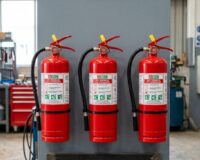
Sites should also include eye wash stations, stretchers, fire blankets, and other emergency equipment relevant to the onsite hazards.
Regulatory Context and Compliance
The UAE’s construction safety framework mandates the provision of PPE and competent supervision of its use. Contractors must conduct risk assessments, provide appropriate training on PPE usage, and enforce compliance consistently. Regular inspection and replacement of damaged or worn-out PPE are essential for maintaining effectiveness.
Employer Obligations
Recent updates in workplace safety regulations further emphasize the employer’s duty to provide PPE, maintain records of training and issuance, and ensure that all items comply with international standards. Failure to comply can lead to fines, work stoppages, and reputational damage.
AI Overview
This blog explains the 10 essential PPE items for construction workers in the UAE, detailing safety standards, practical examples, and expert insights to ensure workplace protection and compliance.
FAQs
What PPE is mandatory for construction workers in the UAE?
Mandatory PPE includes safety helmets, high‑visibility vests, safety boots, eye protection, and gloves based on the job risk, as outlined in UAE safety standards.
How often should PPE be inspected or replaced?
Critical PPE should be inspected daily and replaced when damaged or worn to maintain effectiveness under UAE conditions.
Can workers use their own PPE on site?
Workers may use their own PPE if it meets the required safety standards and is approved by the employer.
Why is PPE compliance important on construction sites?
PPE compliance prevents injuries, reduces incidents, and ensures alignment with legal health and safety requirements.
Conclusion
Ensuring construction workers in the UAE are equipped with the right PPE is crucial for safety, compliance, and productivity. From helmets and safety boots to fall protection and emergency equipment, each item plays a key role in reducing risks on site. Prioritizing PPE not only protects workers but also strengthens a company’s reputation for safety excellence.
If you’re a construction compan aiming to enhance worker safety and meet regulatory standards, Luluat al Noor, the leading PPE items supplier in the UAE, is your trusted partner for comprehensive safety solutions.
Contact our PPE experts for tailored guidance on equipment selection, compliance, and implementation to protect your workforce and meet UAE construction standards.